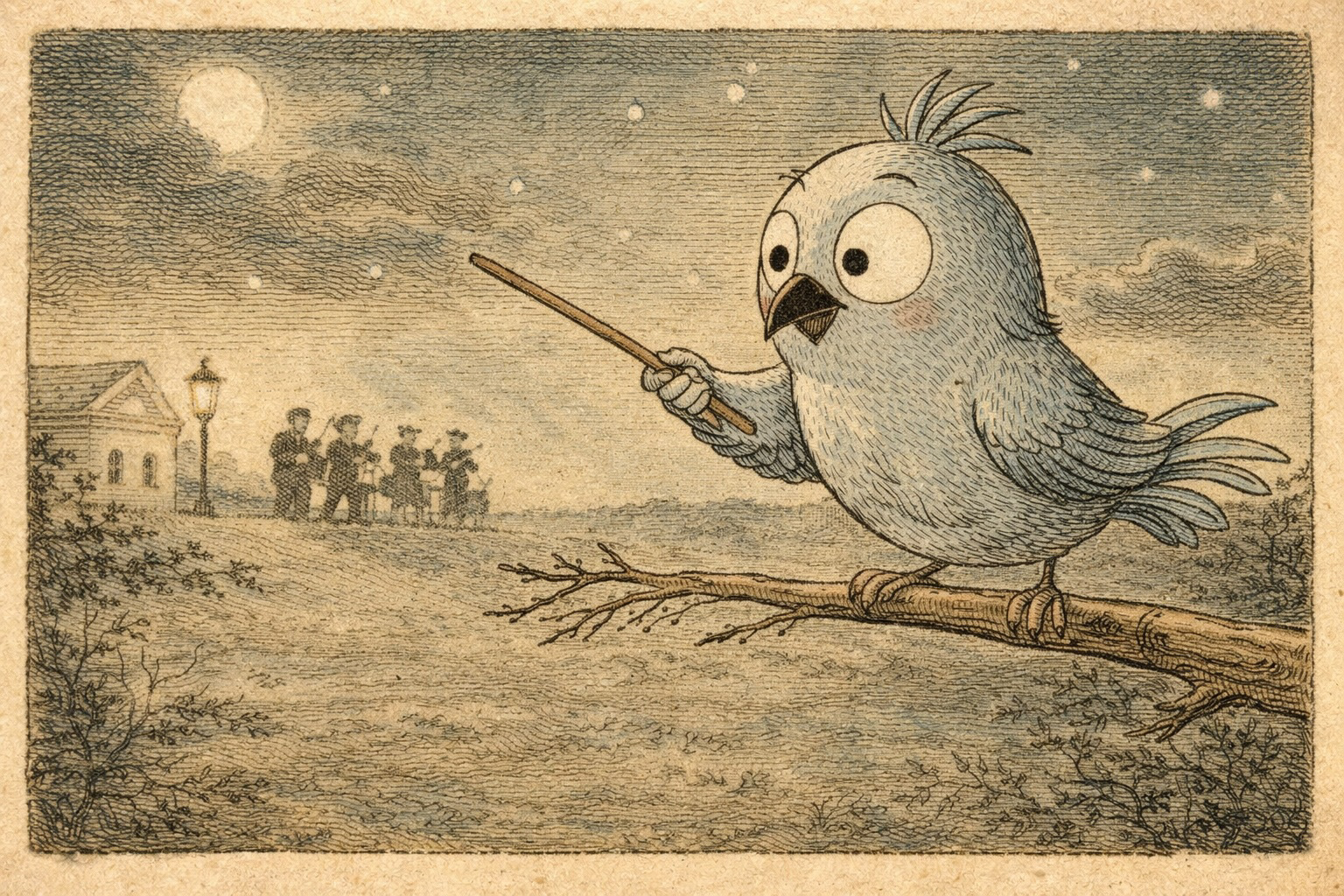
AI storyboard

AI animation
Daniel Boulos -- Interaction Designer
AI Systems • UX Design • Human-AI Interaction
OVERVIEW
This project explores the design of an AI-assisted cinematic production pipeline integrating human direction, generative systems, and animation workflows. The system was developed to produce emotionally coherent, stylistically consistent animated content while maintaining creative control within a hybrid human–AI collaboration model.
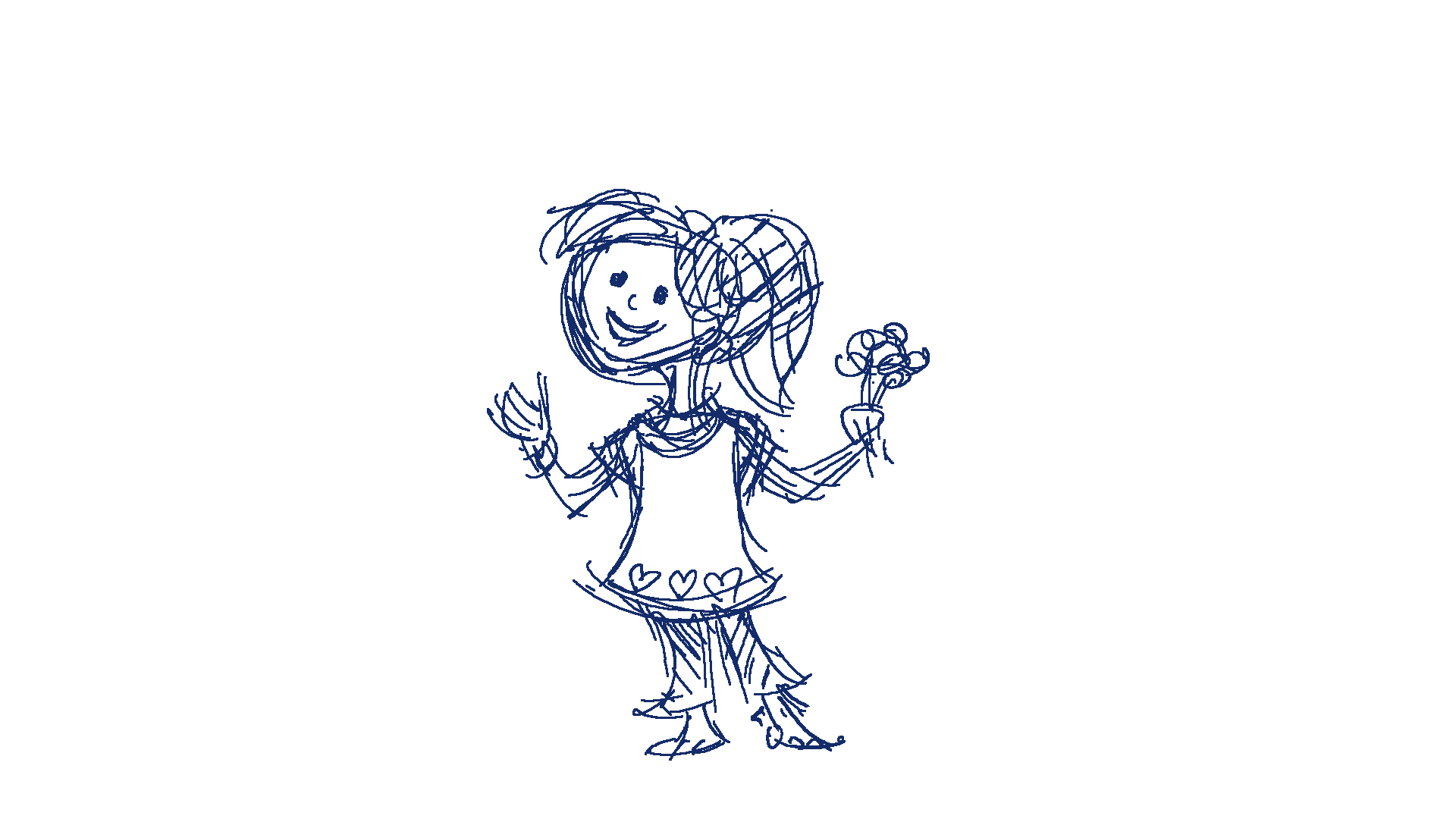
Concept Sketch
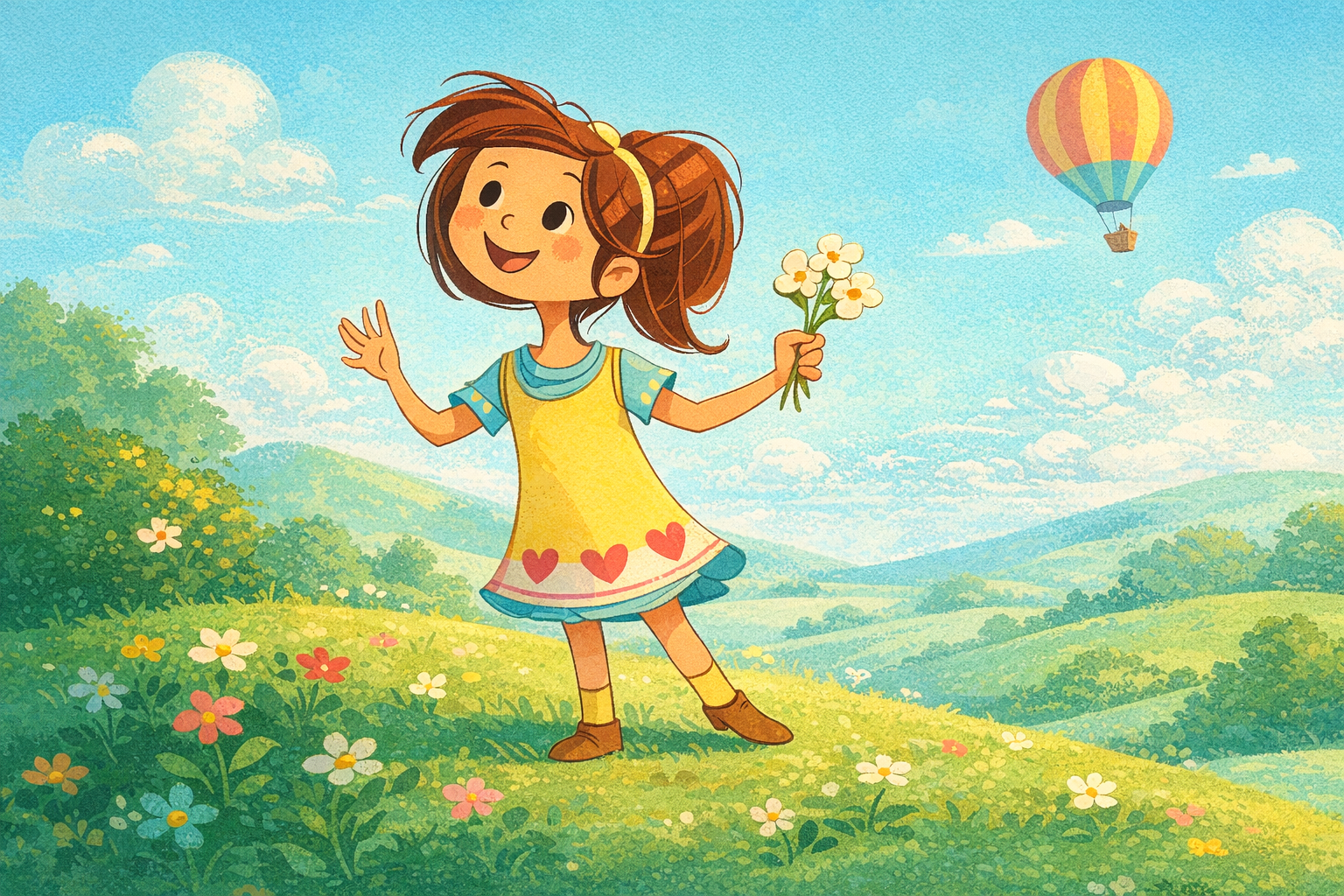
AI color assist
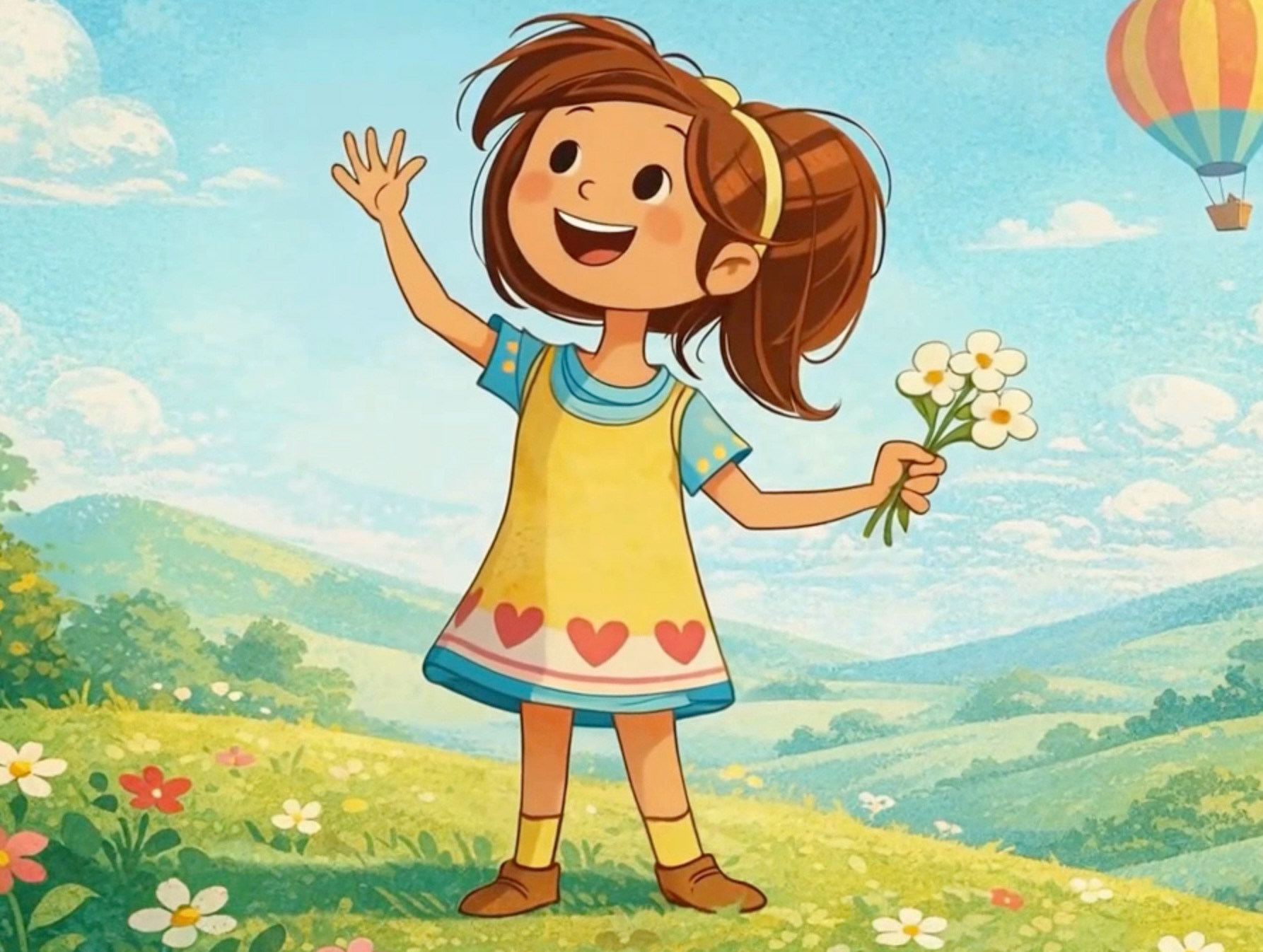
AI animation
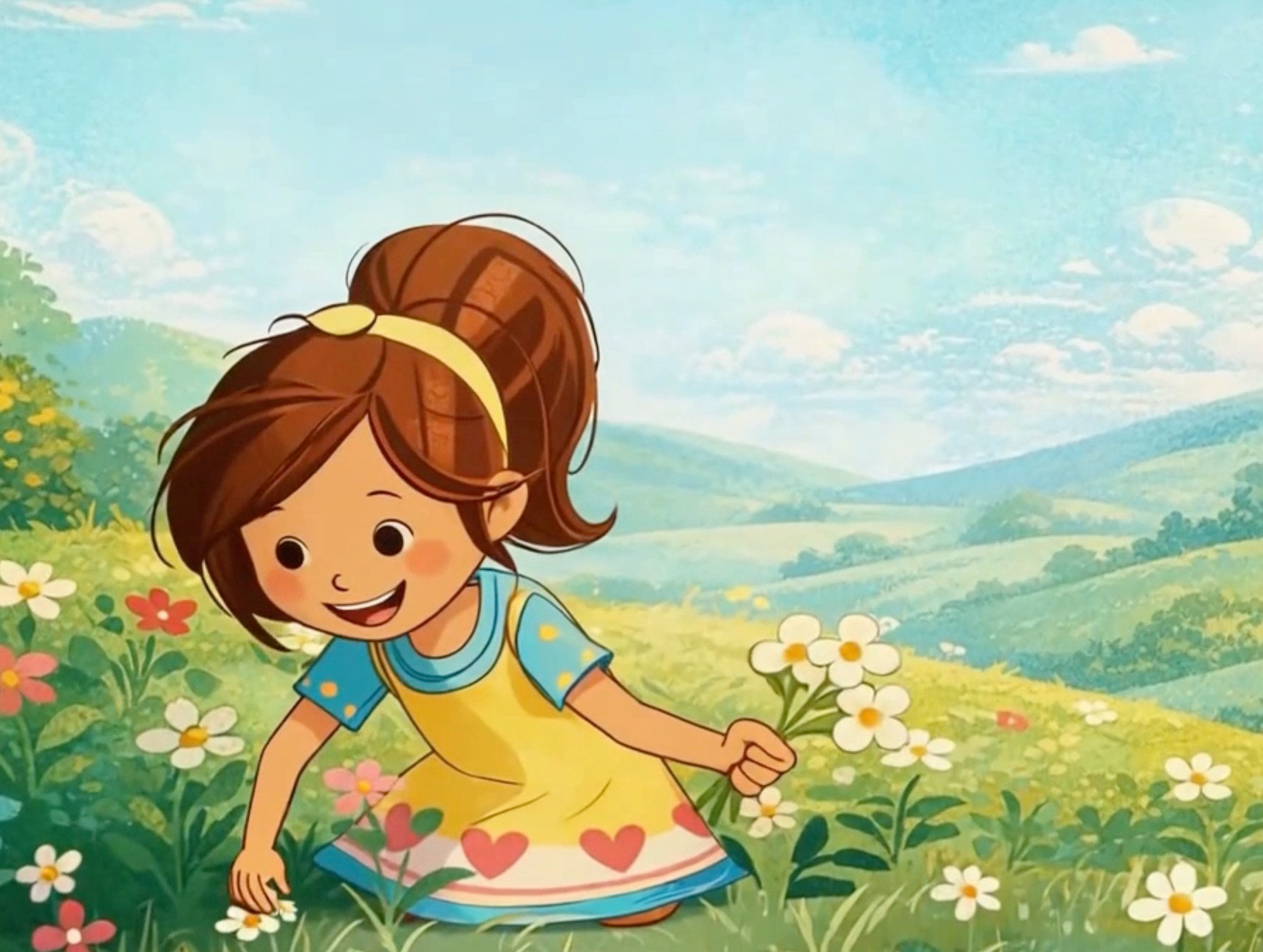
AI animation
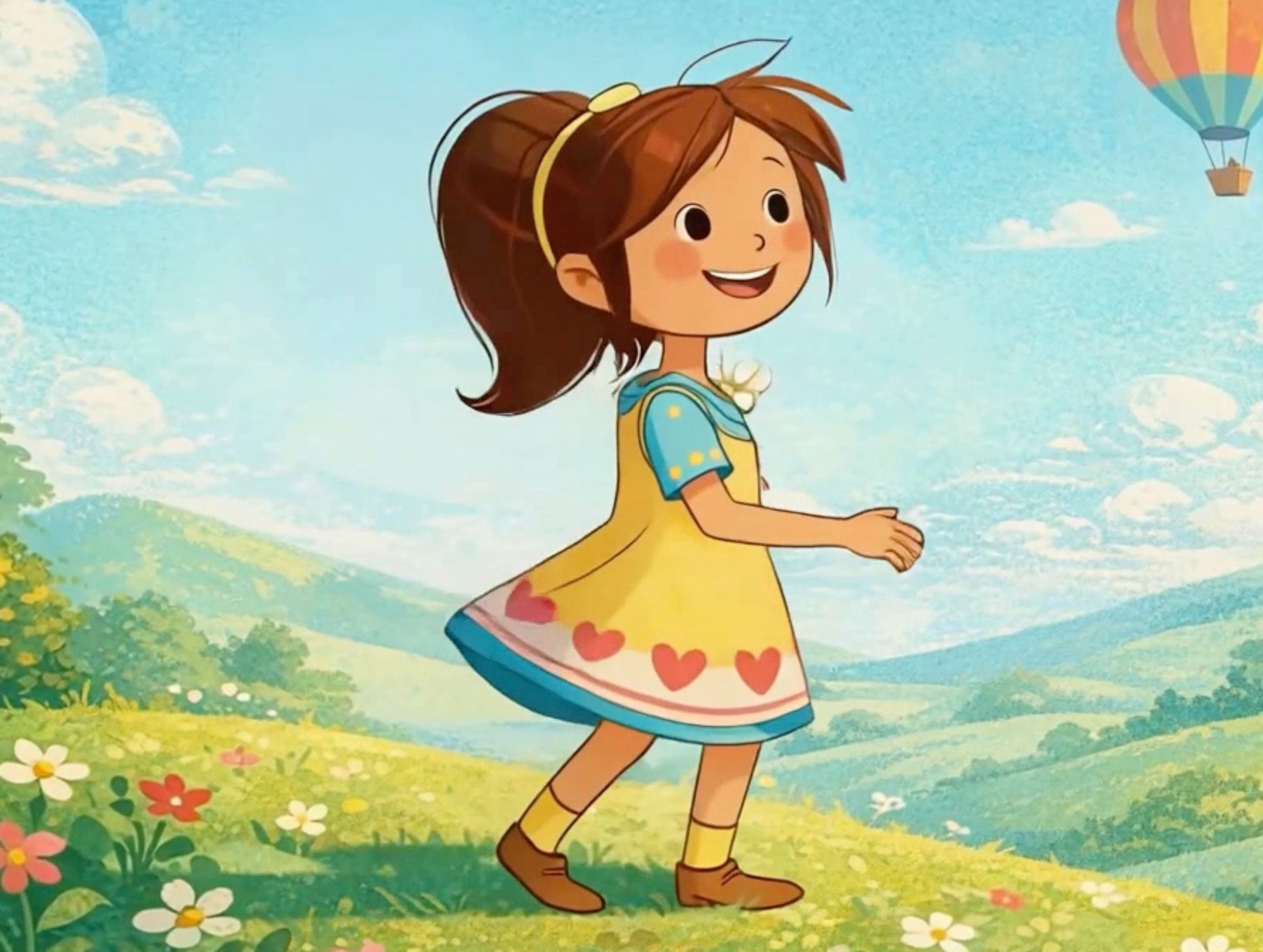
AI animation
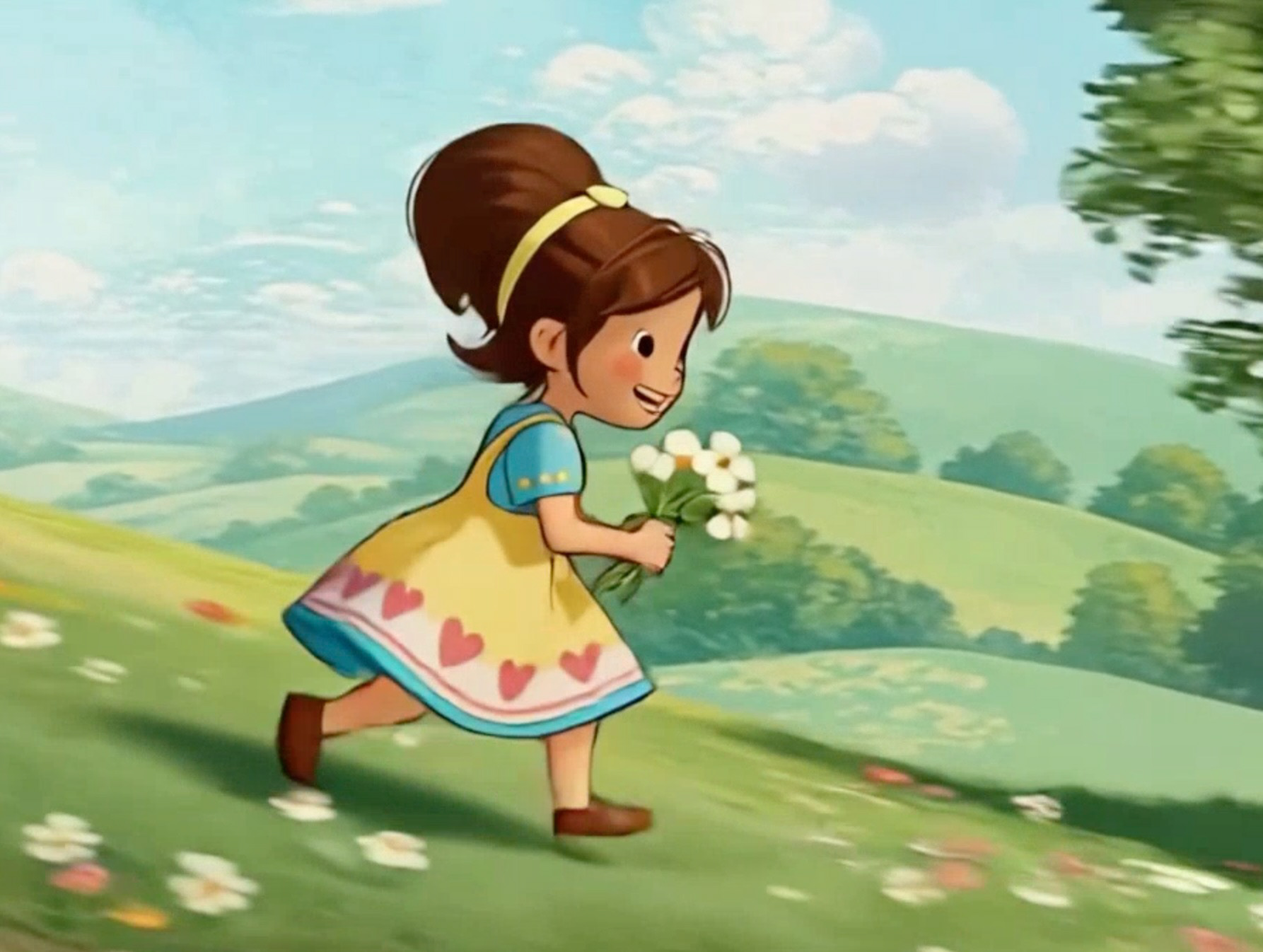
AI animation
PROBLEM
Traditional animation pipelines are time-intensive and resource-heavy, limiting scalability and experimentation. Emerging generative AI tools offer speed but lack consistency, controllability, and integration with established animation workflows. This creates a gap between creative intent and production efficiency.
GOAL
Develop a hybrid human–AI cinematic production pipeline that preserves artistic control while leveraging generative systems to accelerate production, maintain stylistic consistency, and support scalable content creation.
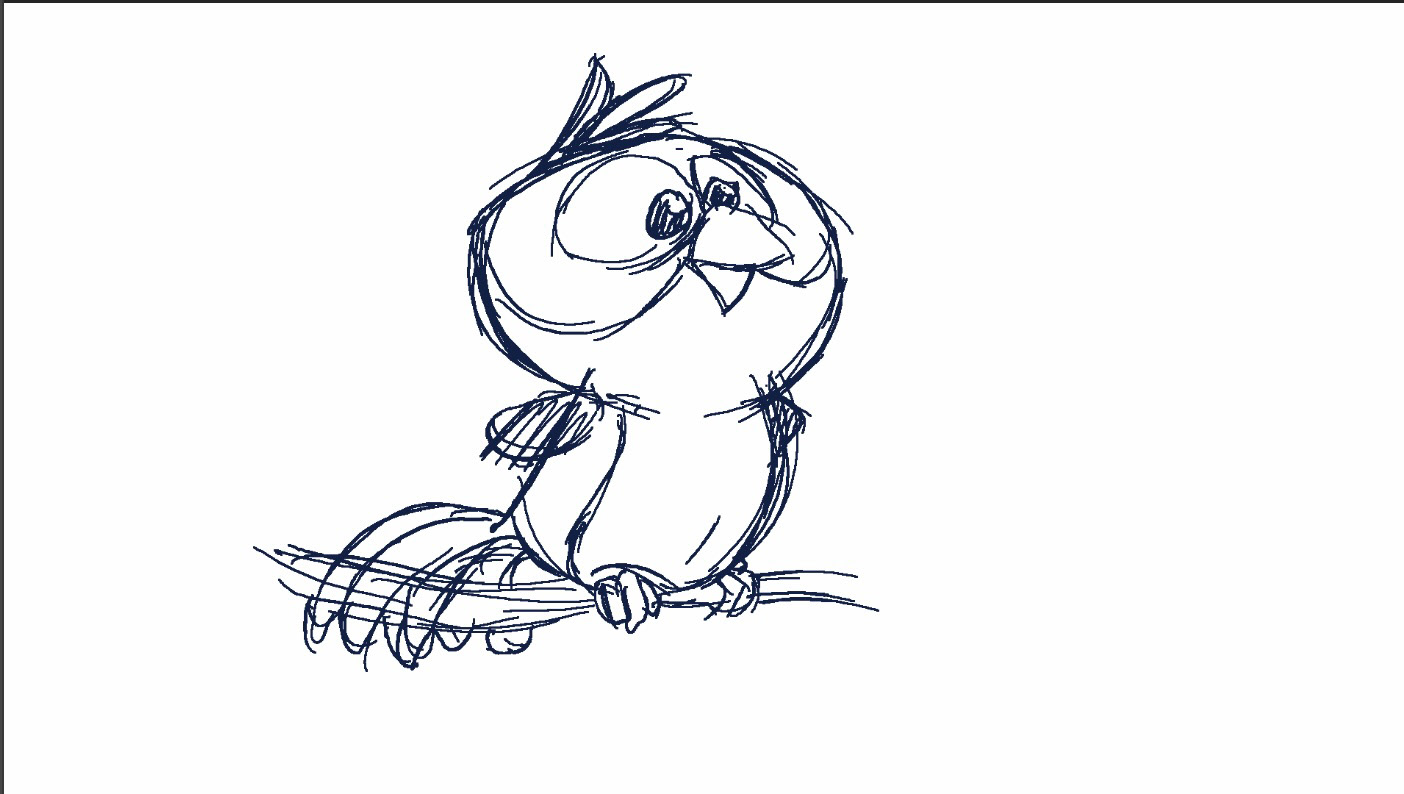
Human design sketch
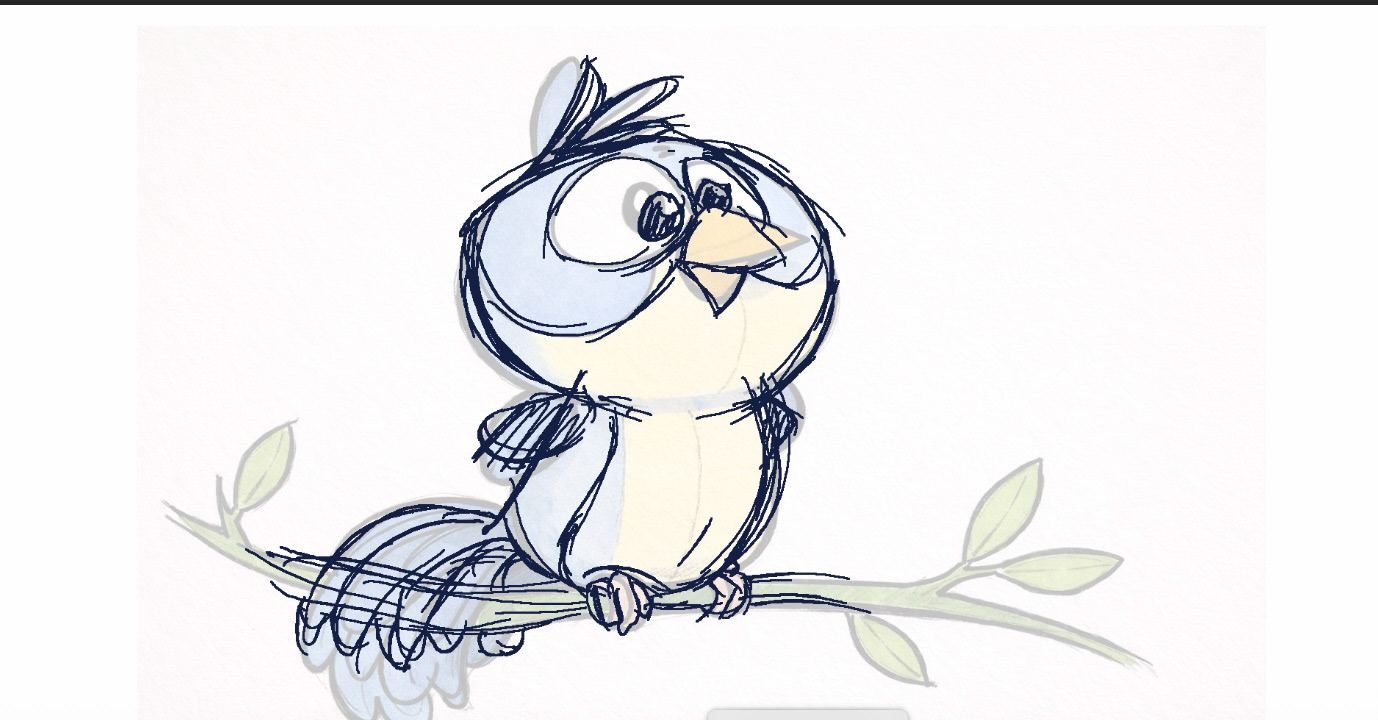
AI Color Assist
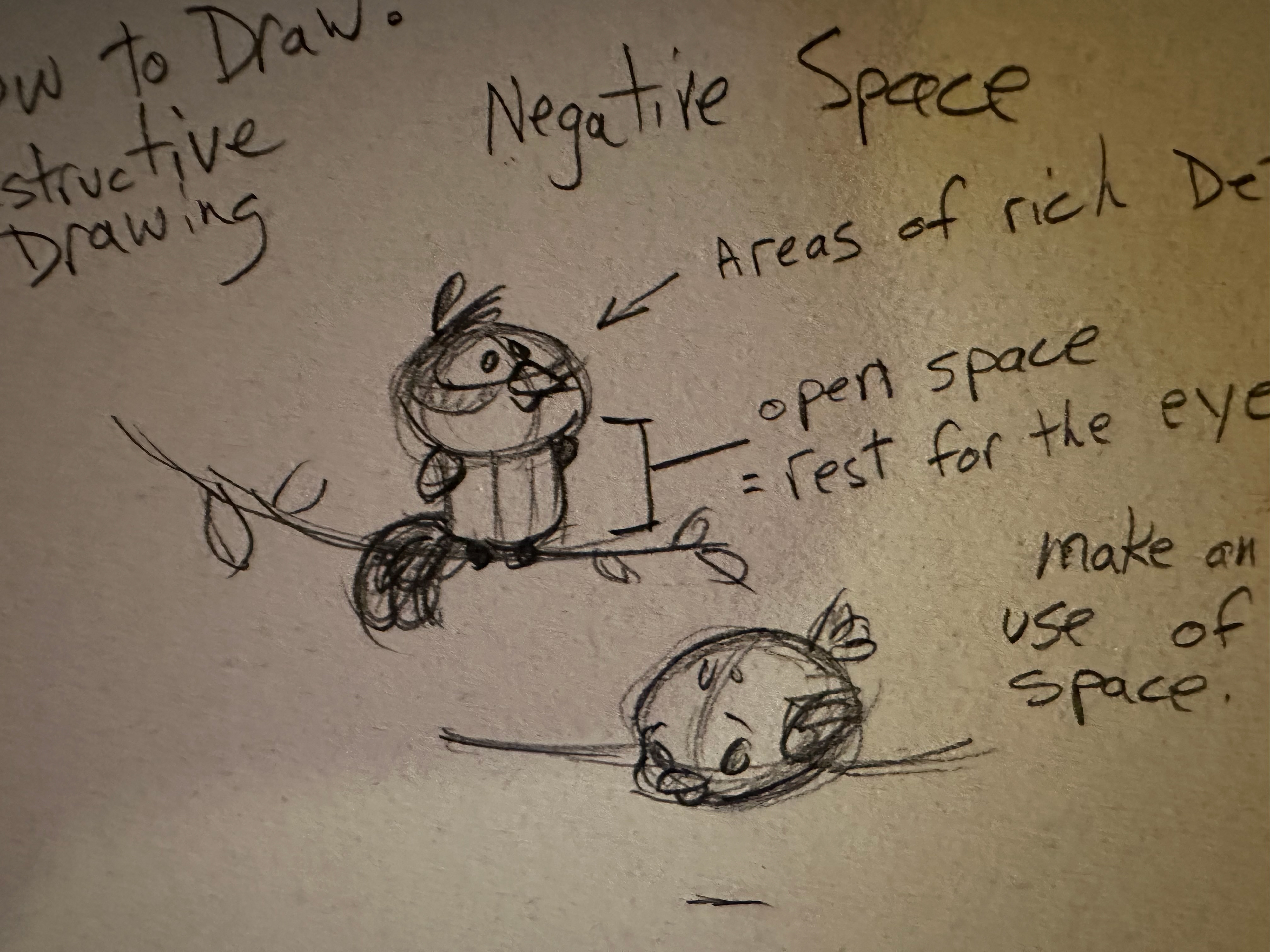
Original Concept Sketch
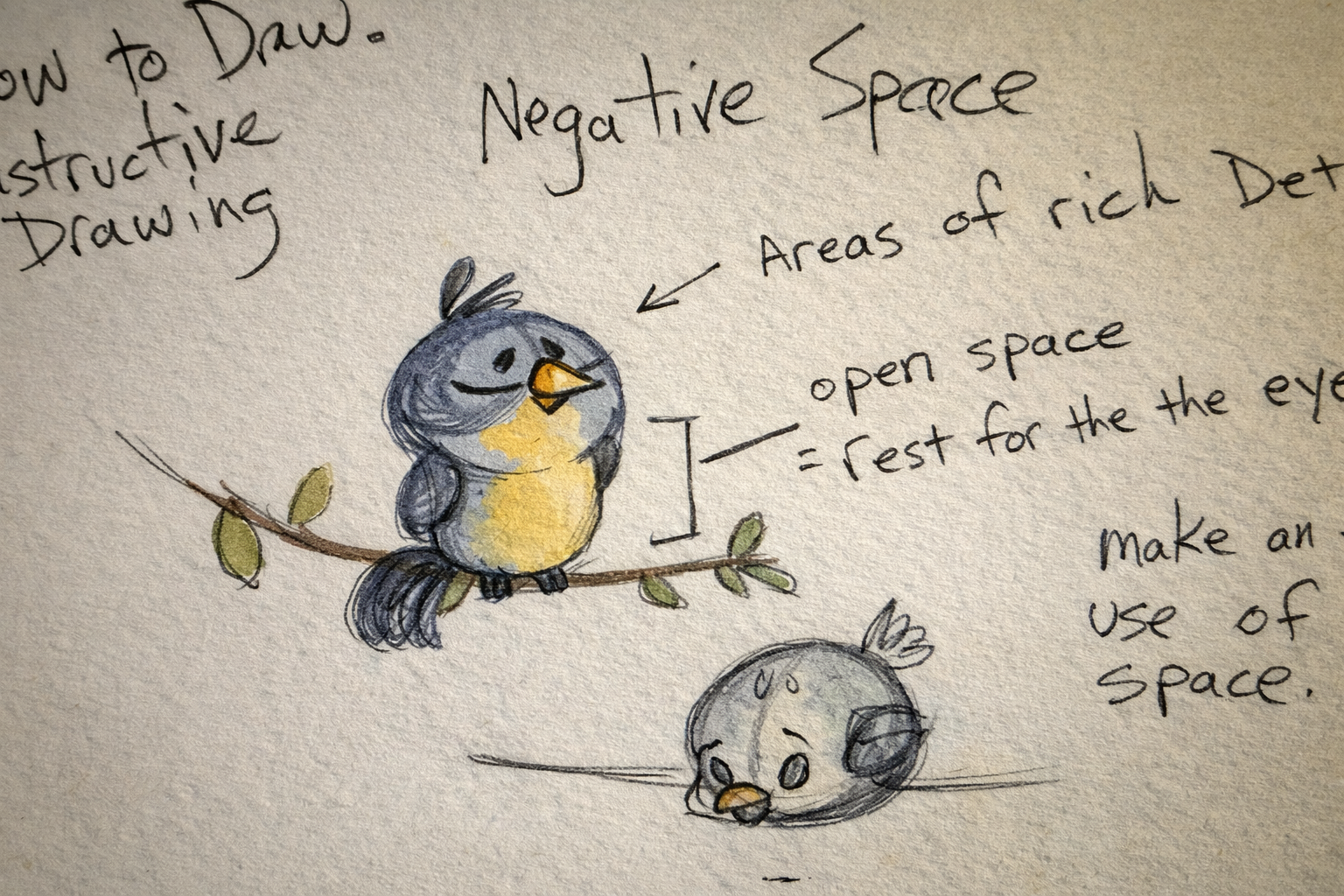
AI Color Assist
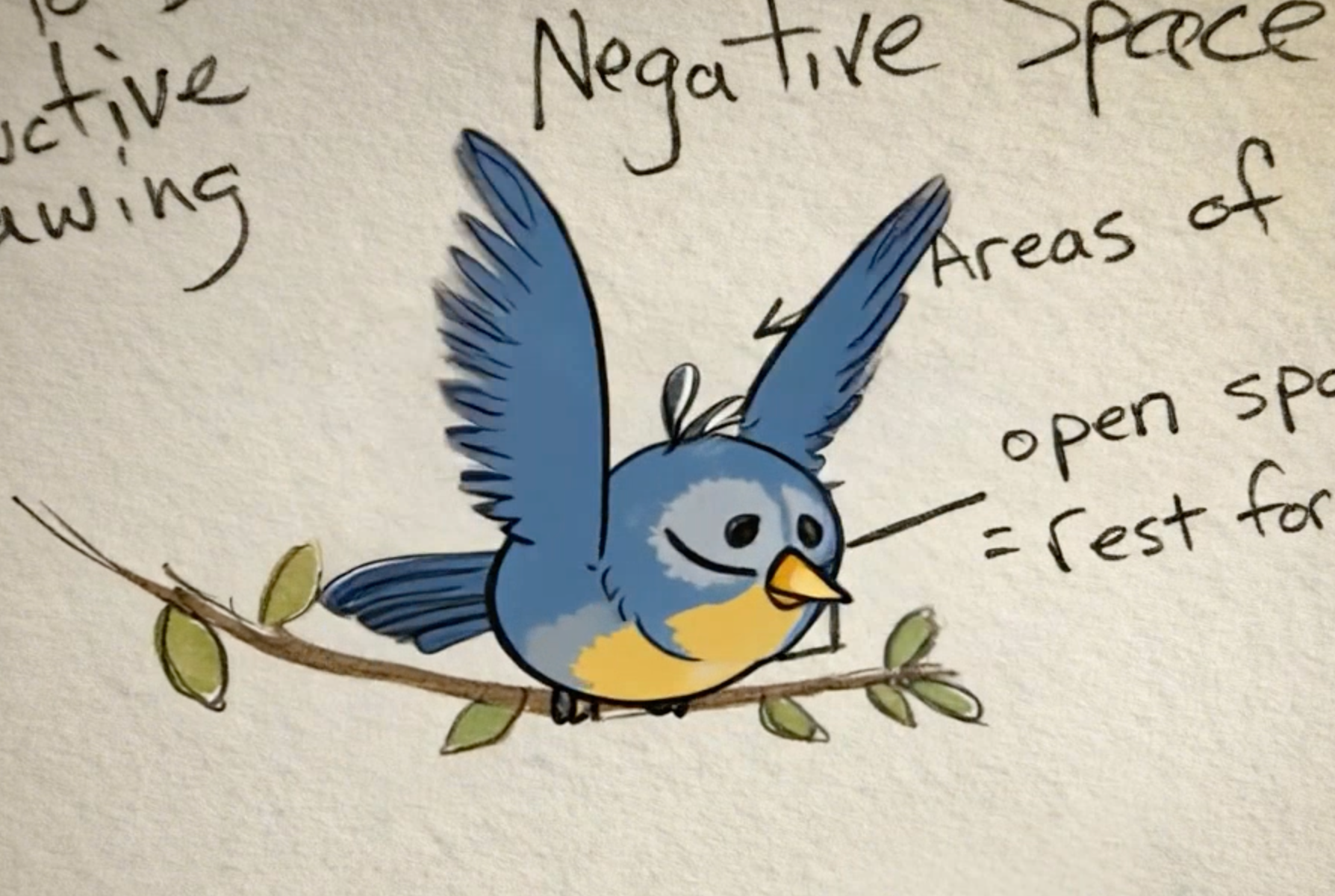
AI Prompt-directed Animation
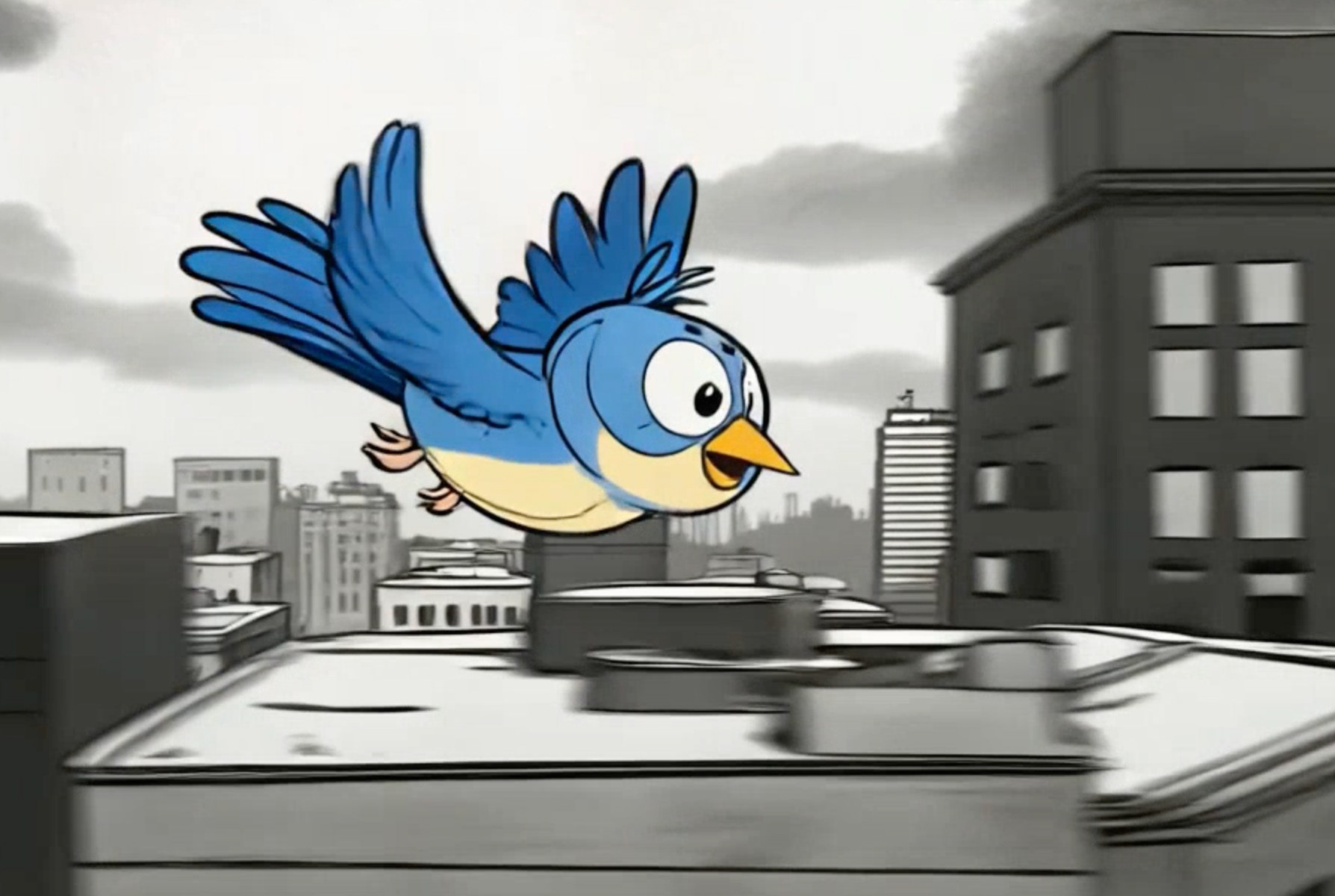
FInal AI animation output
PROCESS
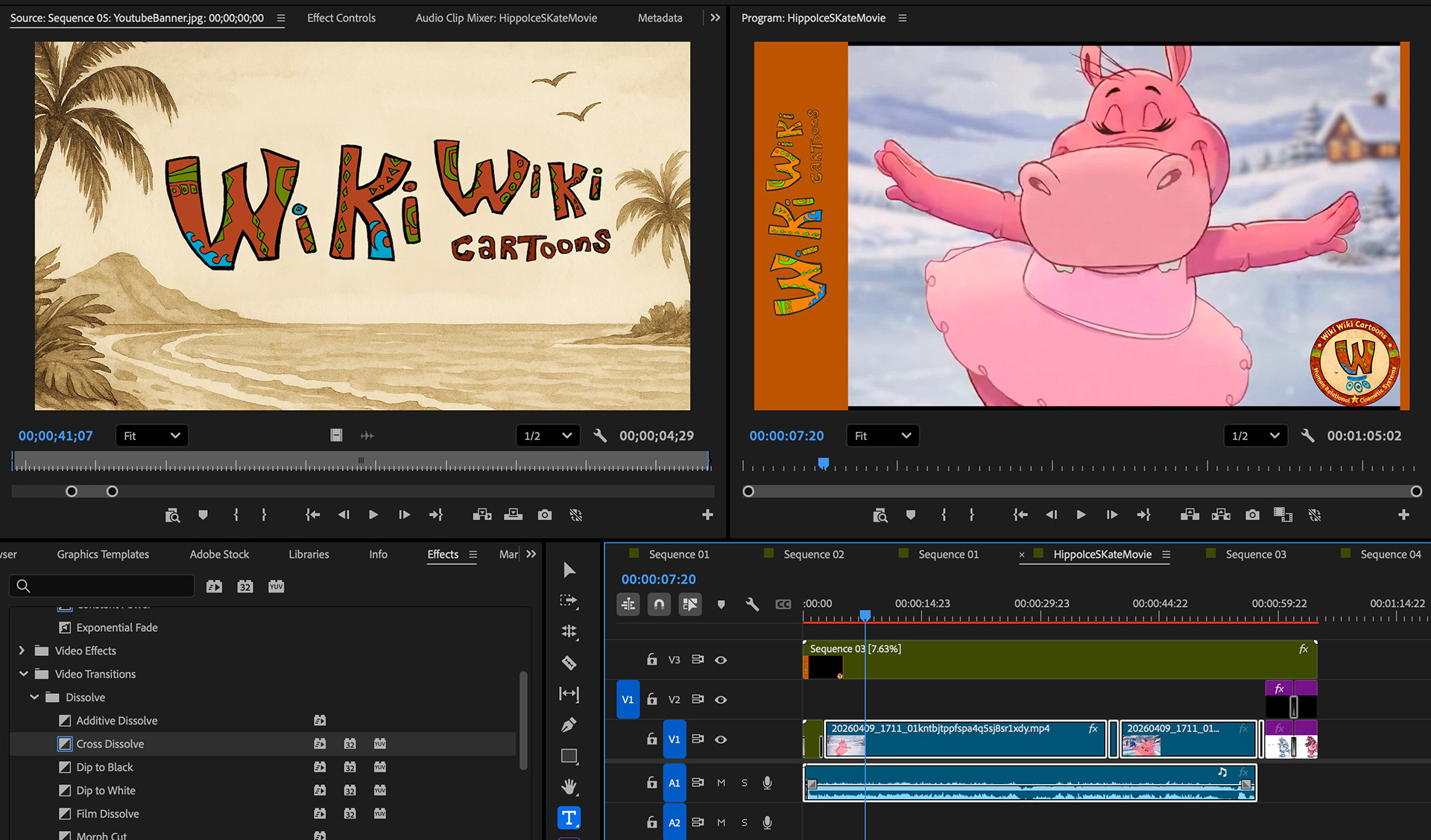
The pipeline was developed through iterative experimentation, combining traditional animation principles with emerging AI tools. The process integrates human-directed key poses, generative image systems for visual development, and AI-assisted animation tools to produce consistent character performance and scene continuity.
Key stages include:
• Concept and story development
• Visual design and character modeling
• Key pose generation (human-directed)
• AI-assisted inbetweening and animation
• Compositing and editing in a nonlinear workflow
• Visual design and character modeling
• Key pose generation (human-directed)
• AI-assisted inbetweening and animation
• Compositing and editing in a nonlinear workflow
SYSTEM DESIGN
The pipeline is structured as a hybrid system that separates creative direction, generative production, and final assembly into distinct but interconnected layers. This structure ensures both flexibility and control, allowing AI to accelerate production without compromising artistic intent.
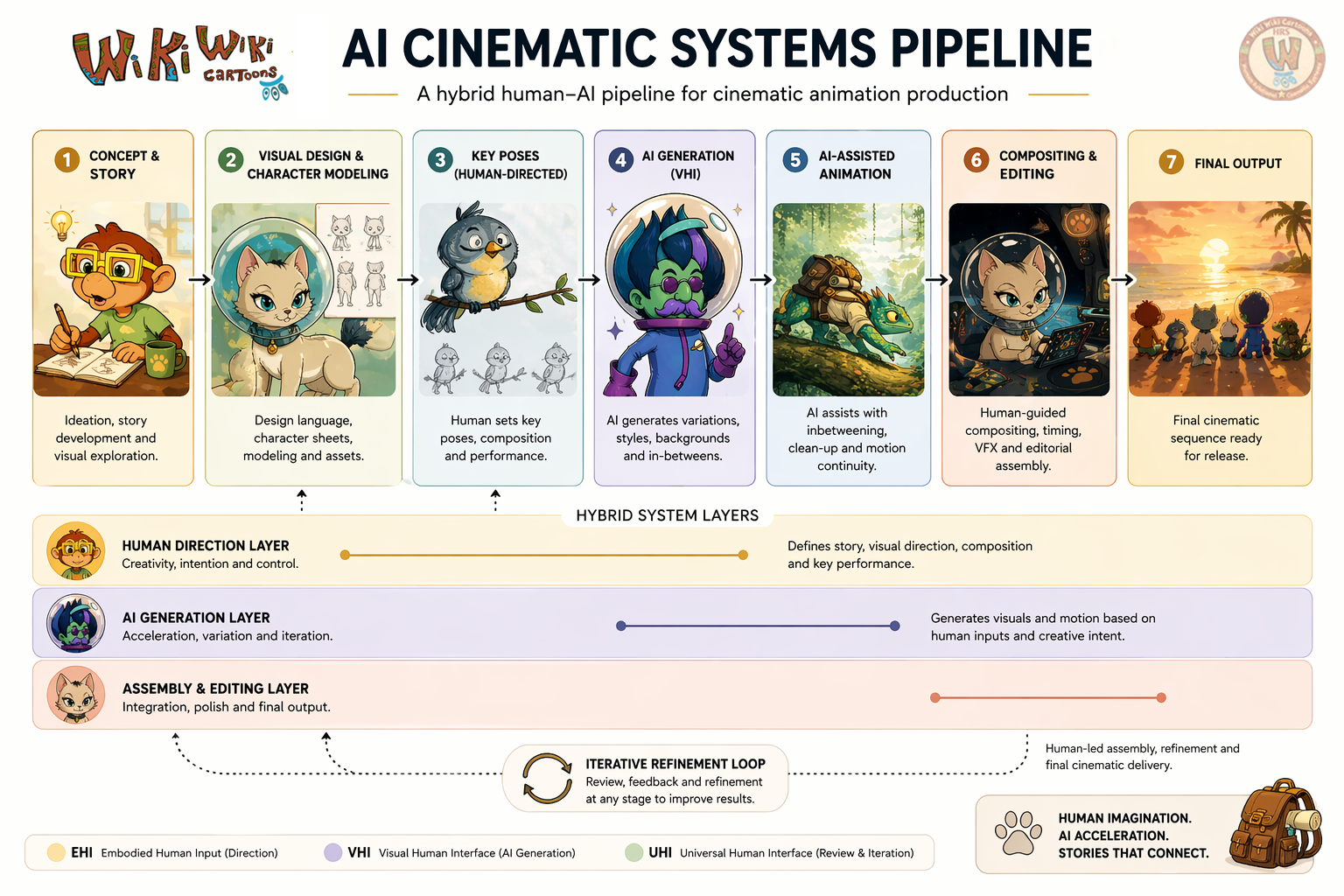
System Layers
Human Direction Layer
Defines concept, story, composition, and key poses. This layer ensures intentionality, emotional clarity, and stylistic coherence across all outputs.
AI Generation Layer
Translates human inputs into visual and animated outputs through prompt-based and image-based generation. This layer accelerates production while introducing variability that is refined through iteration.
Assembly & Editing Layer
Integrates generated assets into a cohesive sequence using human-guided compositing, timing, and editorial decisions to produce the final film output.
Design Principles
• Human control precedes automation
• Iteration is structured, not random
• Visual consistency is prioritized over novelty
• AI serves as a production accelerator, not a creative replacement
• Iteration is structured, not random
• Visual consistency is prioritized over novelty
• AI serves as a production accelerator, not a creative replacement
RESULTS
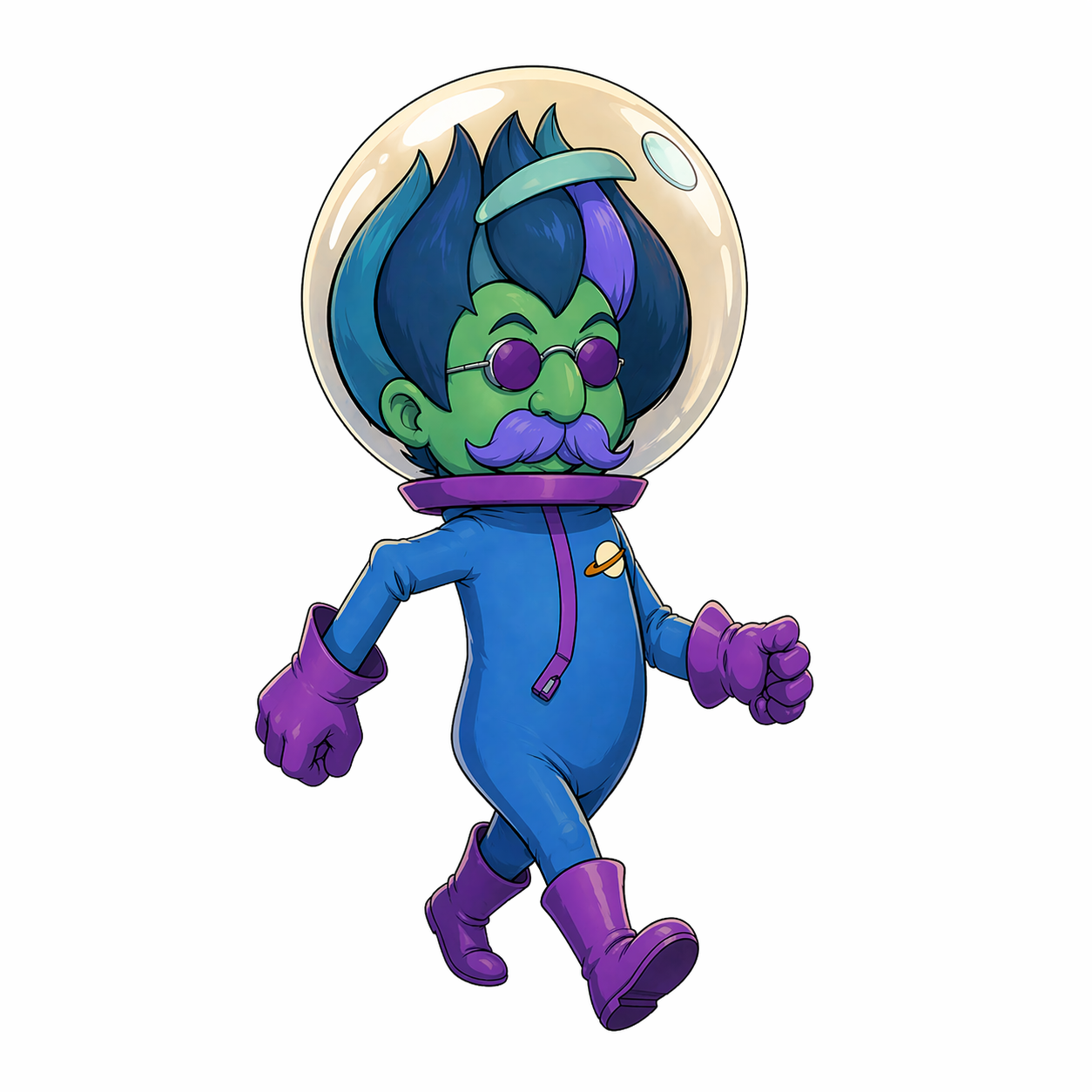
The hybrid pipeline enabled rapid iteration while maintaining stylistic consistency across generated sequences. By combining human-directed inputs with AI-assisted production, the system reduced the time required to move from concept to animated output while preserving control over performance and visual design.
IMPACT
This approach demonstrates a scalable model for AI-assisted animation production, where human creativity and machine generation operate in a structured partnership. The system supports faster prototyping, flexible visual exploration, and efficient content creation without sacrificing artistic intent.